Conservation Engagement
Slow down, look a little closer, and reconnect with the world around you.
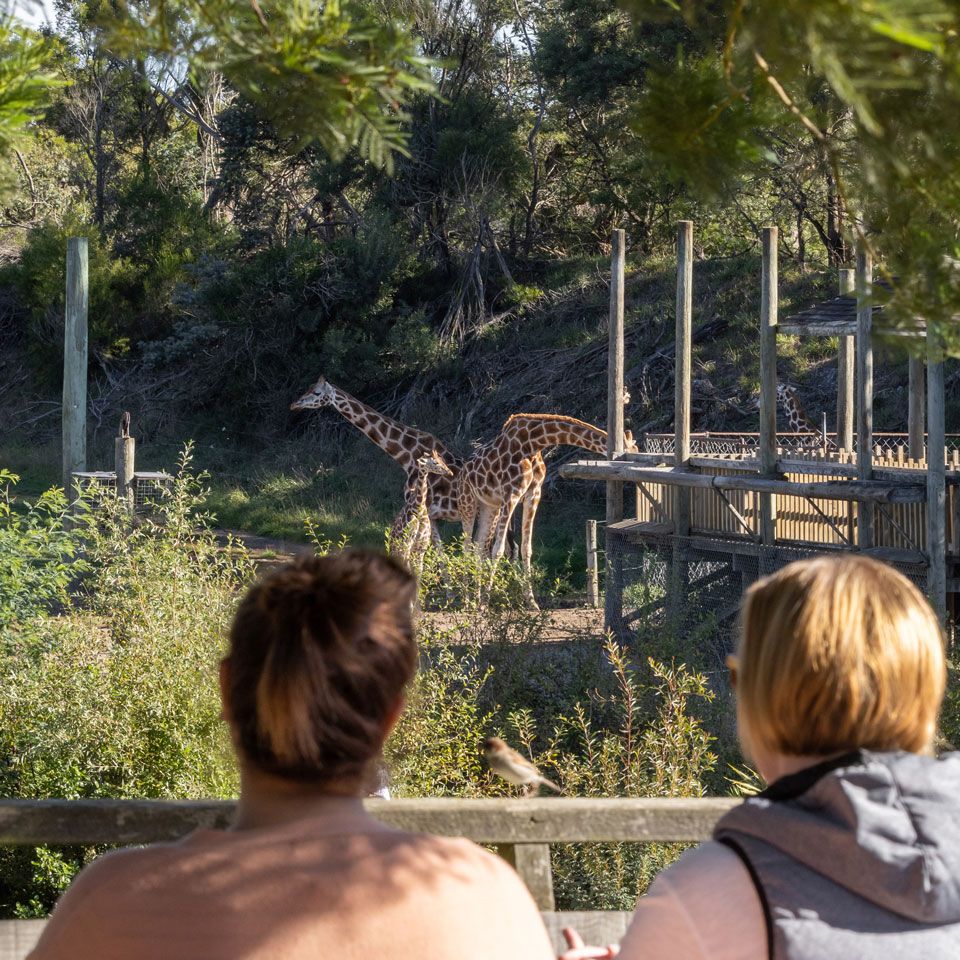
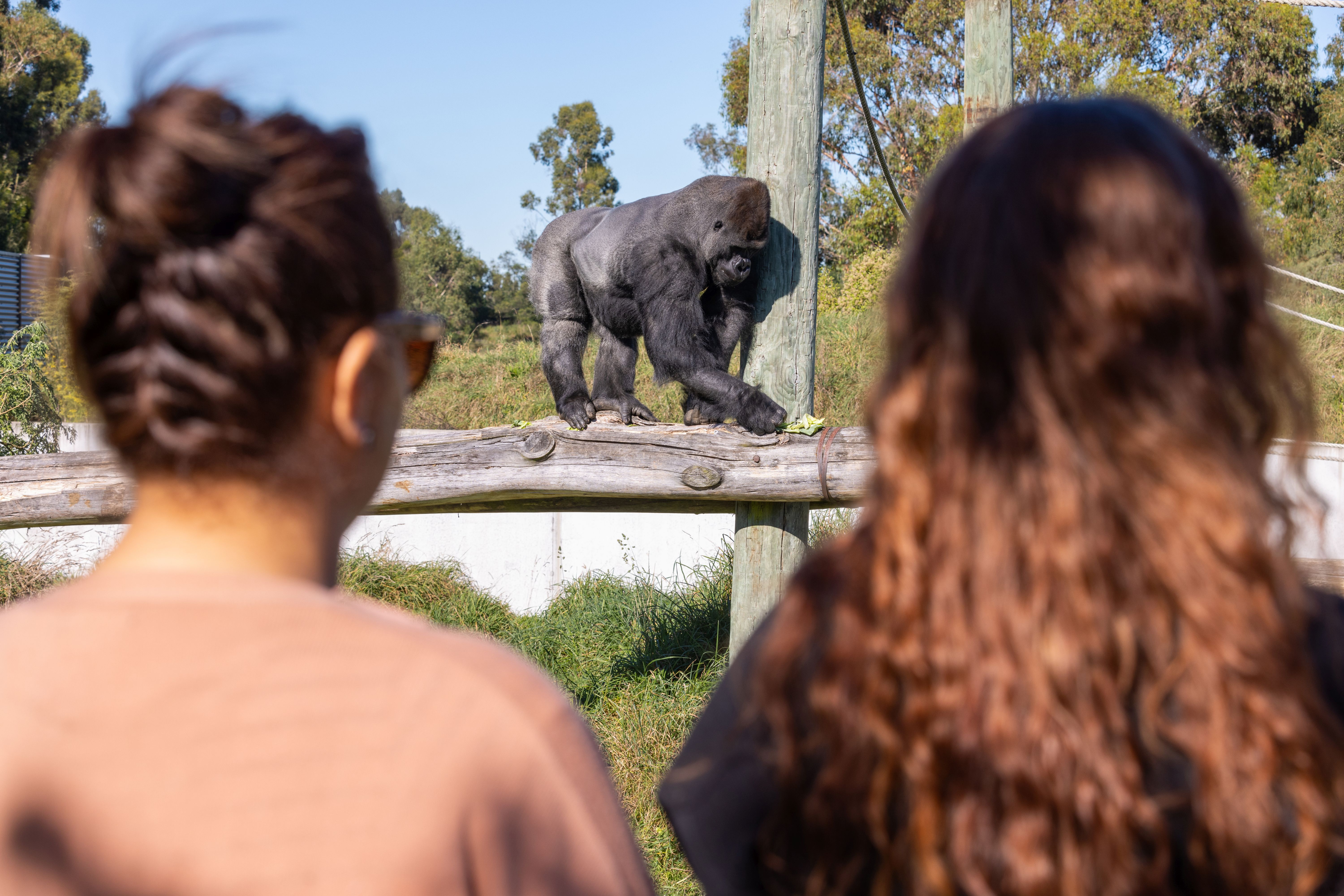
At Orana, it is more than seeing the amazing animals, it’s about being present in their environment, noticing the small moments and understanding the role we all play in protecting what is here.
Protecting Wildlife Together
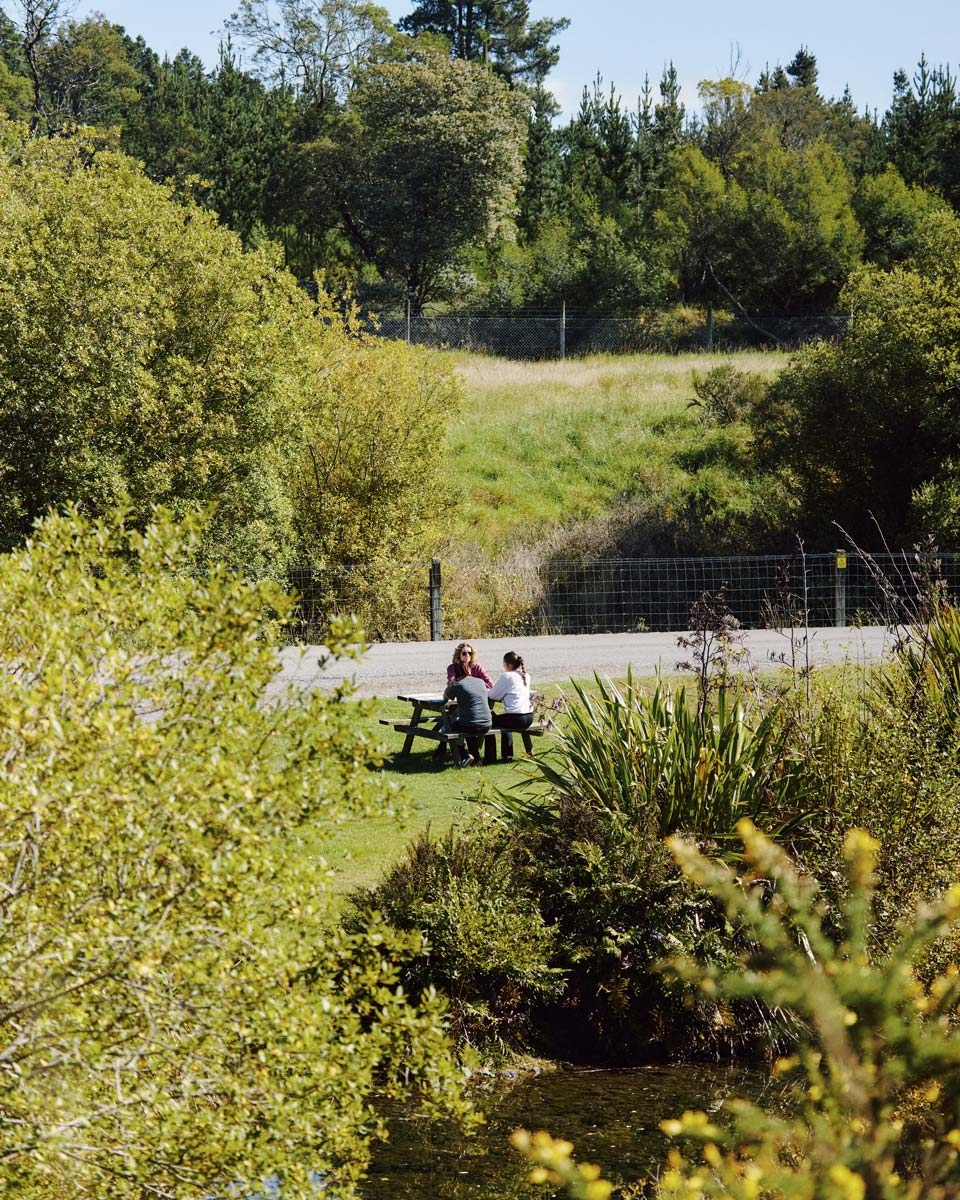
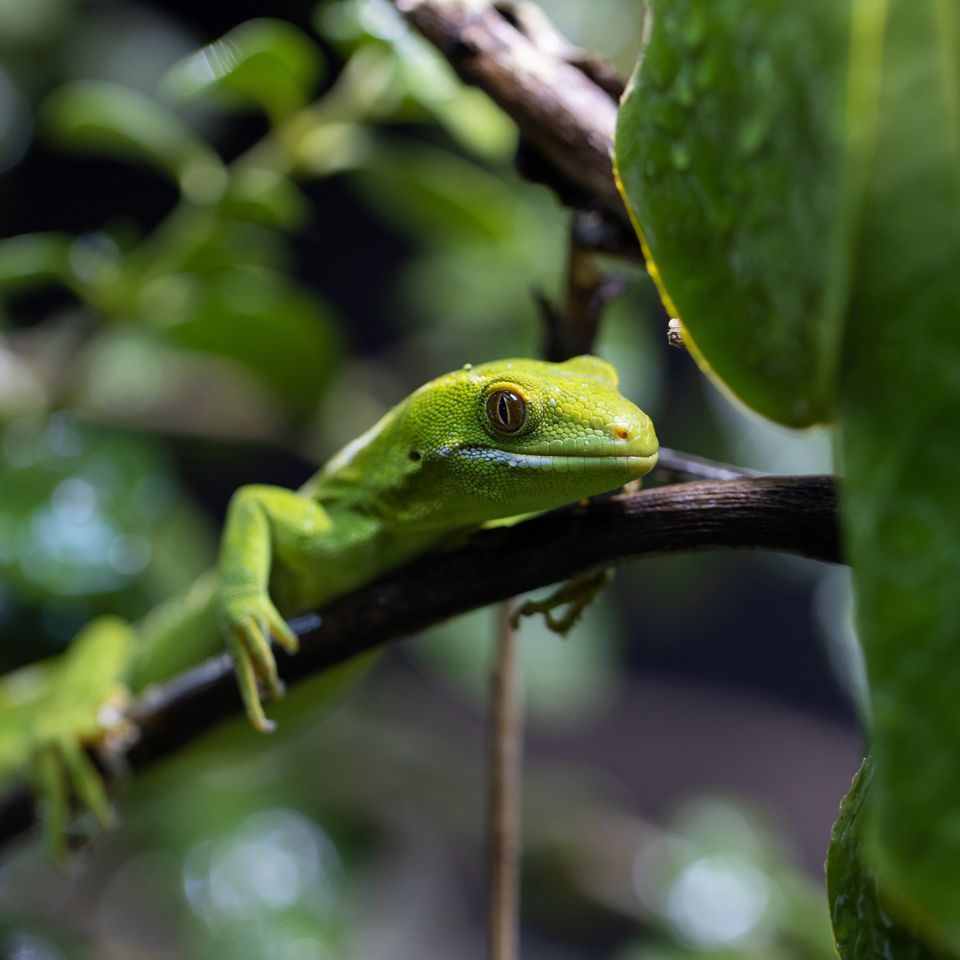
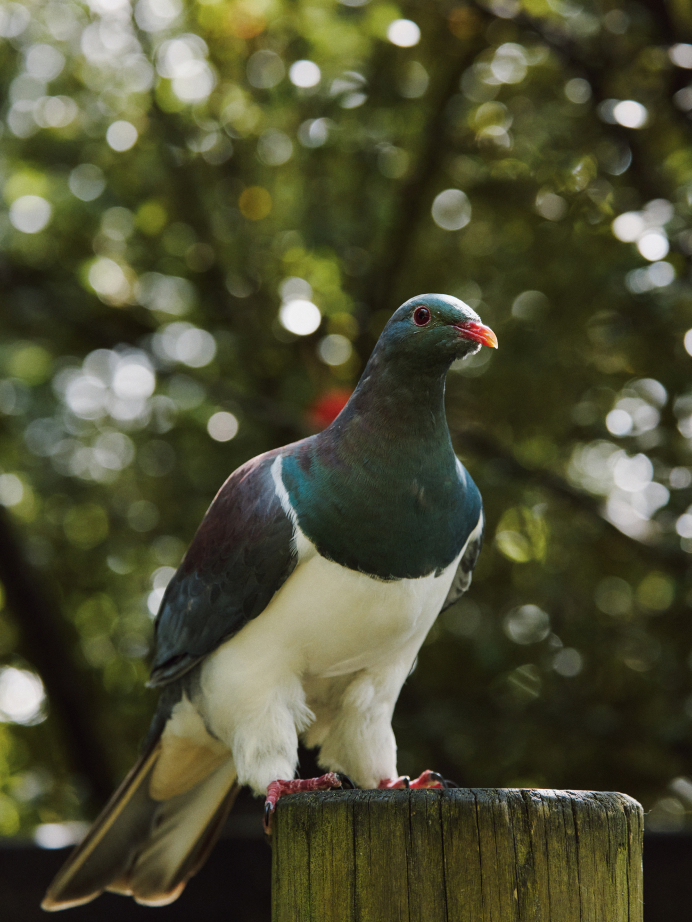
Orana provides unique opportunities for our diverse visitors to have close proximity to awe inspiring native and exotic wildlife, and connect with nature, fostering physical, emotional and social well-being.
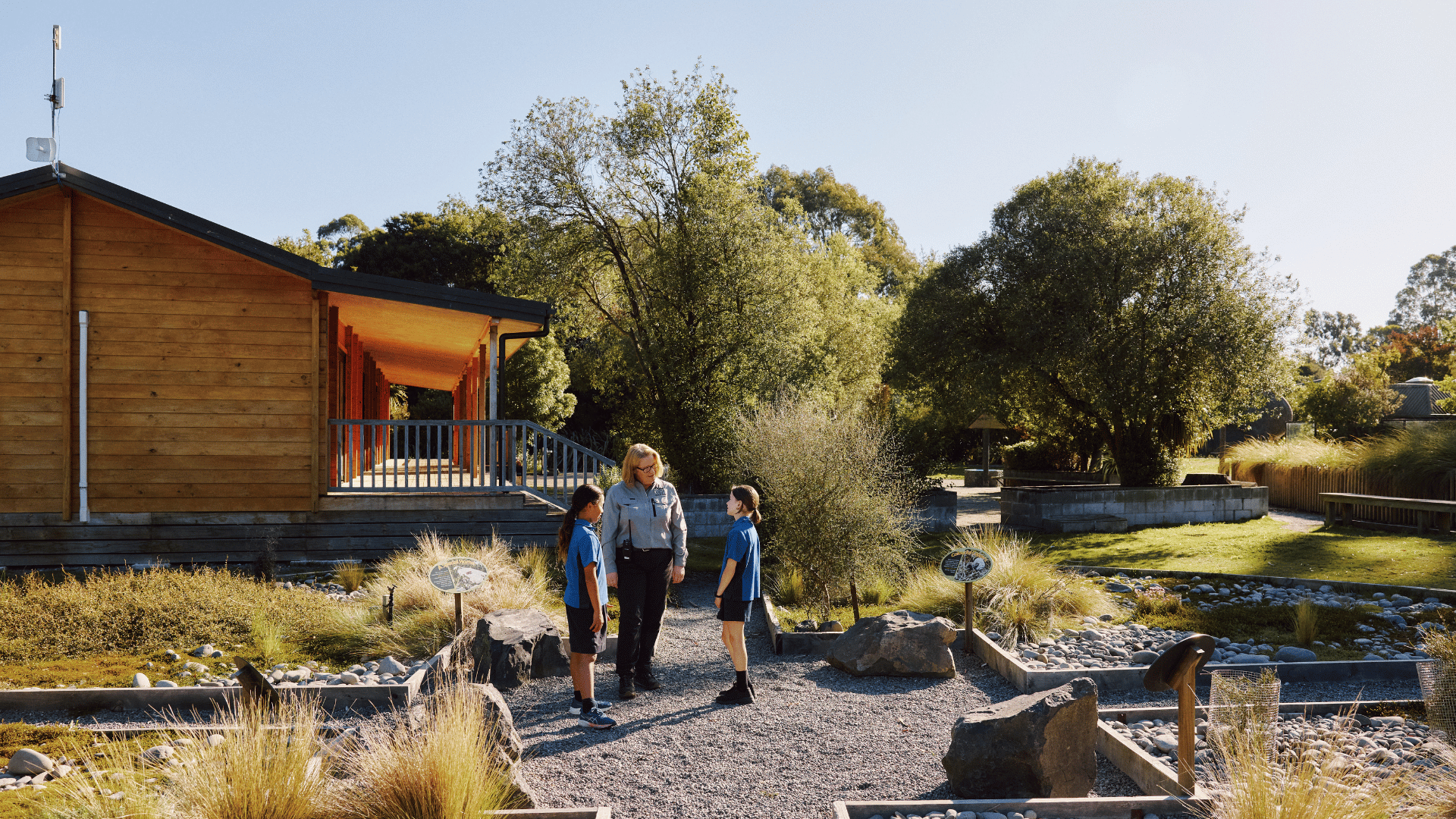
A key role of the Park is to inspire visitors, staff and the local community to act on behalf of wildlife conservation. We achieve this through daily animal presentations, exhibit interpretation, online messaging, and involvement in key messaging campaigns etc. Orana’s conservation strategies align with global best practices, including the World Association of Zoos and Aquariums (WAZA) Social Change for Conservation Education Strategy.
Every visit contributes to our work supporting the protection of species and the environment they depend upon.
Safe Cat Safe Wildlife
Keeping your cat safe at home, is beneficial for them, but also beneficial for our local wildlife. Many native species are found in urban areas, and often seek shelter in our neighbourhoods and backyards. Keeping cats safely at home helps give native wildlife more opportunities to thrive.
Safe Cat Safe Wildlife is a community dedicated to protecting cats and wildlife. The Zoo and Aquarium Association (ZAA) has teamed up with SPCA New Zealand to help you keep your cat safe and happy.
Don’t Palm Us Off
Palm oil is one of the most widely consumed vegetable oils on the planet, surprisingly, half of all packaged products contain it. This means you might not even know you are consuming or using a product that contains palm oil, as it is often disguised as vegetable oil. It can be found in items such as margarine, chocolate, lipstick and shampoo.
Palm oil itself is not bad, but the unsustainable way it is produced is destroying rainforests, and in turn animal habitats.
Don’t Palm Us Off is not about stopping the use of palm oil, it is about encouraging the use of sustainably sourced palm oil and encouraging companies to label their products to help consumers make informed decisions on what they buy.
The power is in your hands with the PalmOil Scan App available via the Apple or Google app stores. You can use your purchasing power to create change and help the wild.
Citizen Science Projects
Citizen science projects allow all of us to become active contributors in important conservation projects. This helps gather a larger range of data, which wouldn’t be possible otherwise. In Aotearoa New Zealand there are many citizen science projects you can take part in whether in your own backyard or further afield.
Projects you may be interested in: