Zoo School at Orana
Your Classroom in the Wild
Where curiosity, connection, and conservation come together. Our education programmes and conservation strategies align with the New Zealand Curriculum as well as global best practices, including the World Association of Zoos and Aquariums (WAZA) Social Change for Conservation Education Strategy.
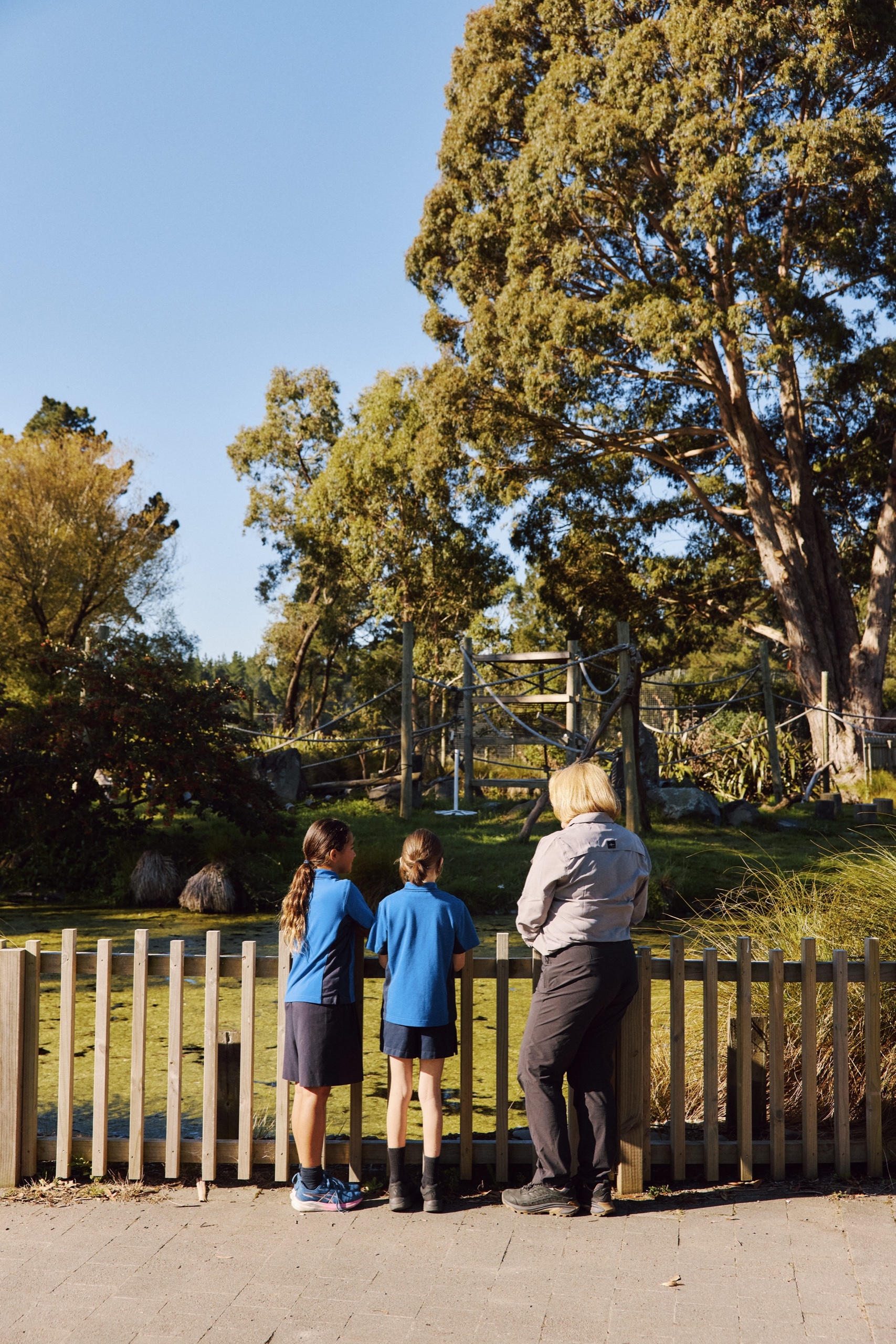
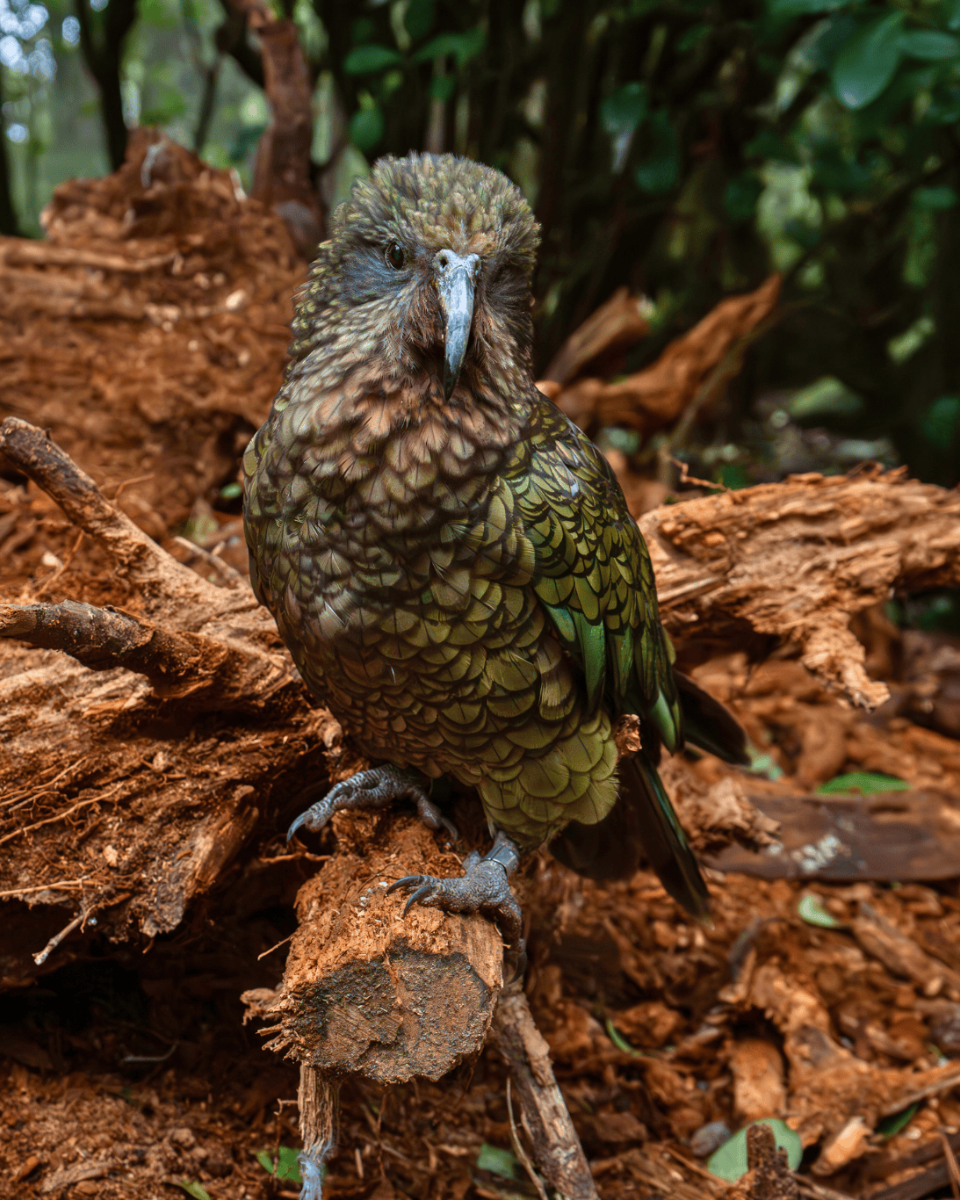
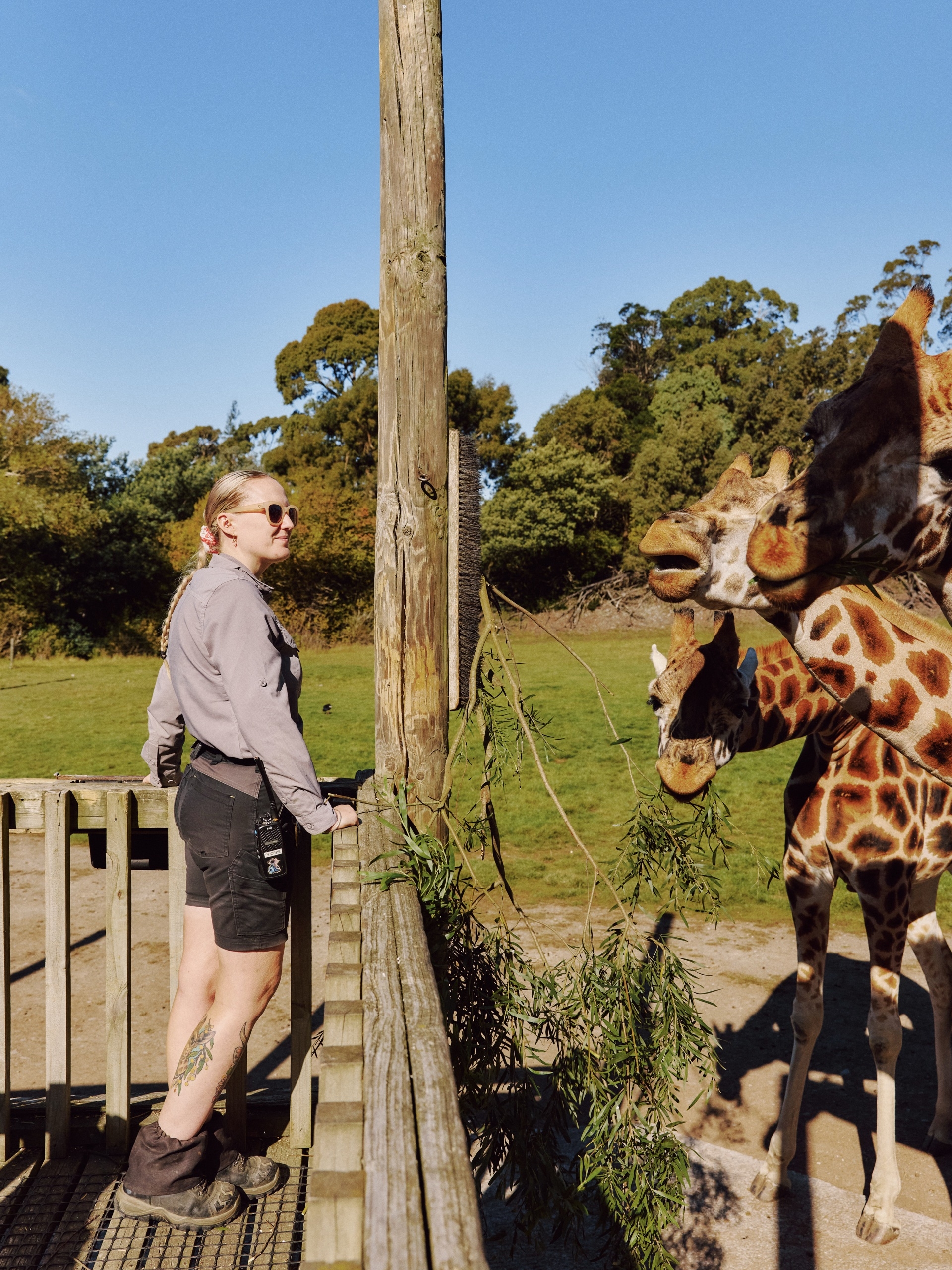
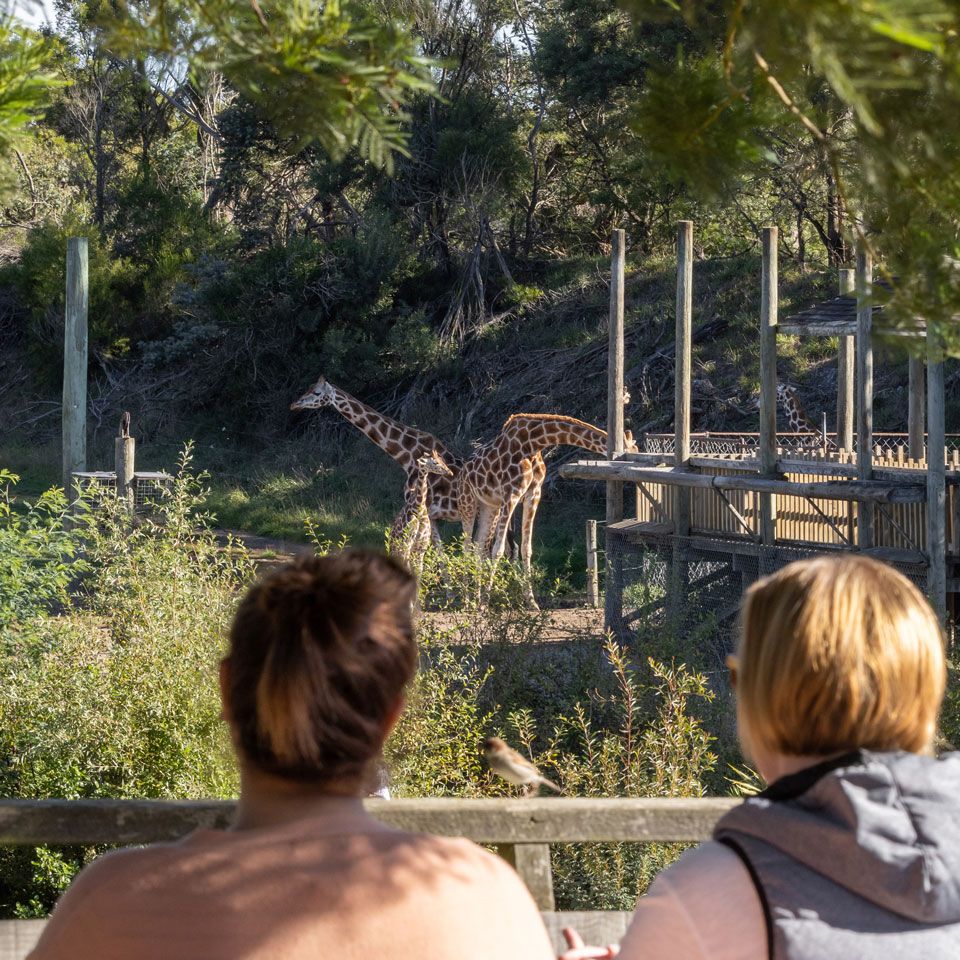
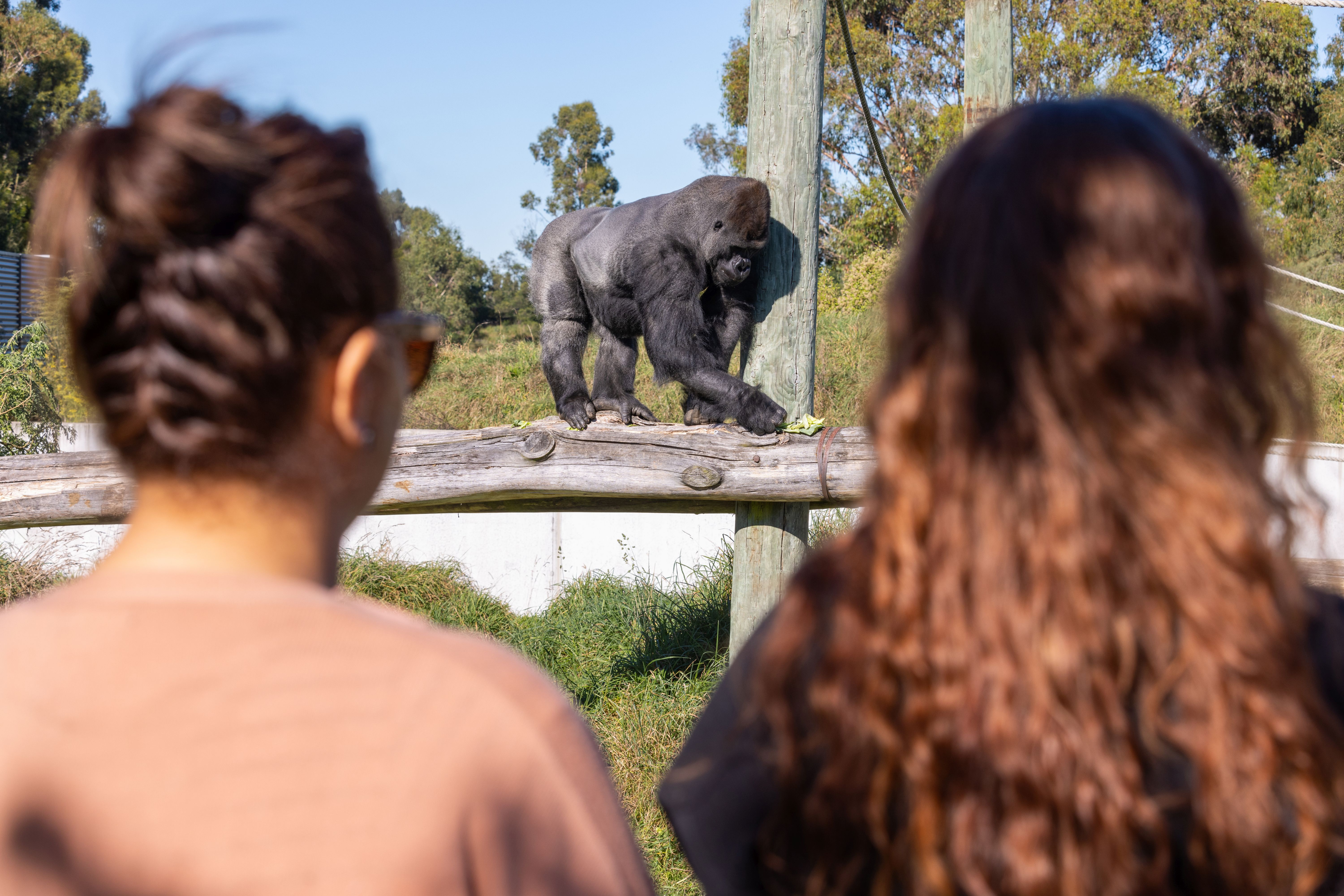
At Orana, students engage in authentic, hands-on learning experiences that can’t be replicated indoors. From hand-feeding a giraffe to observing New Zealand’s only gorillas or discovering the playful intelligence of kea, encounters with wildlife create lasting memories and deepen understanding. Students are encouraged to observe, question, and reflect as they explore a wide range of species in open and diverse habitats.
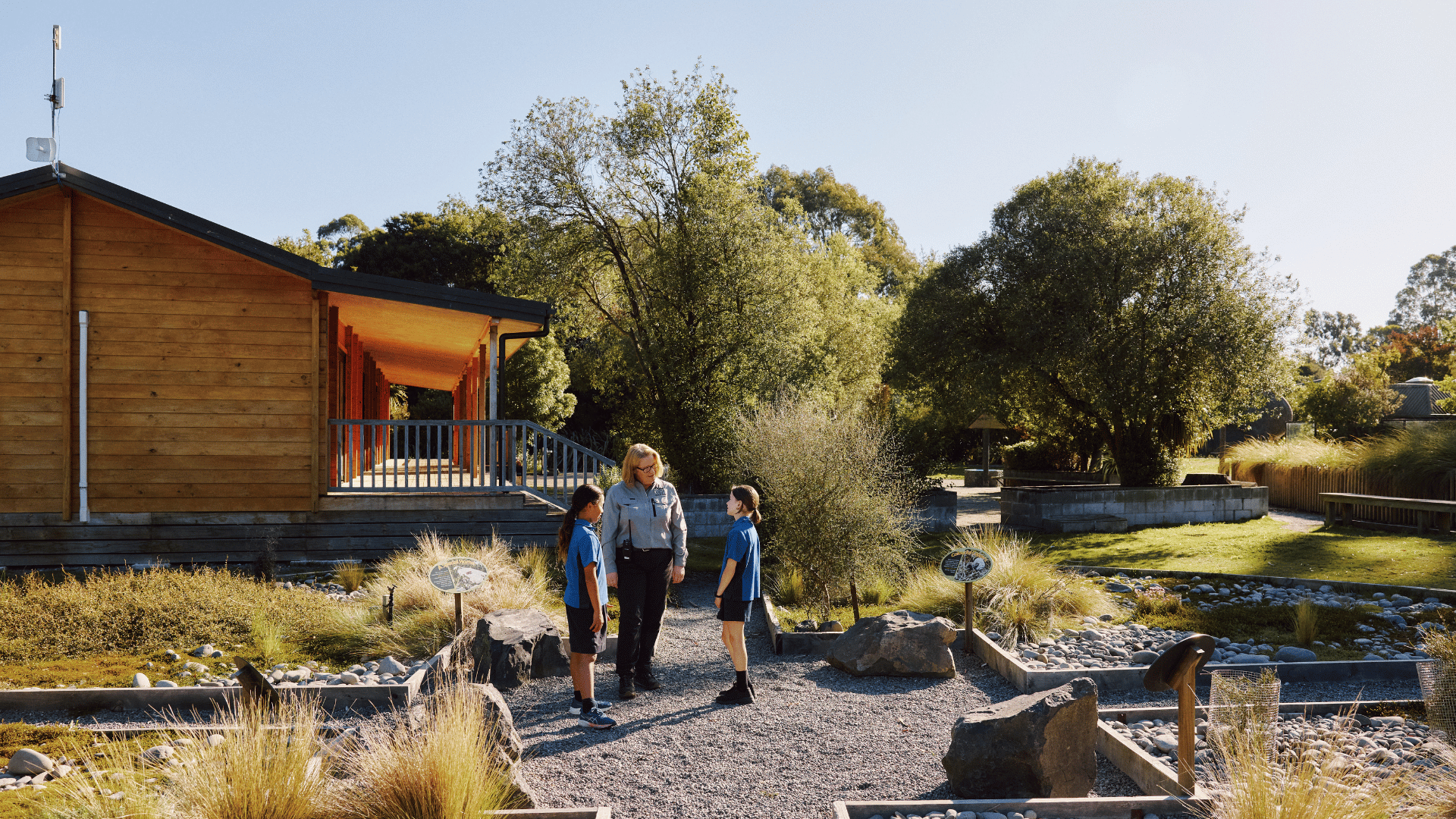
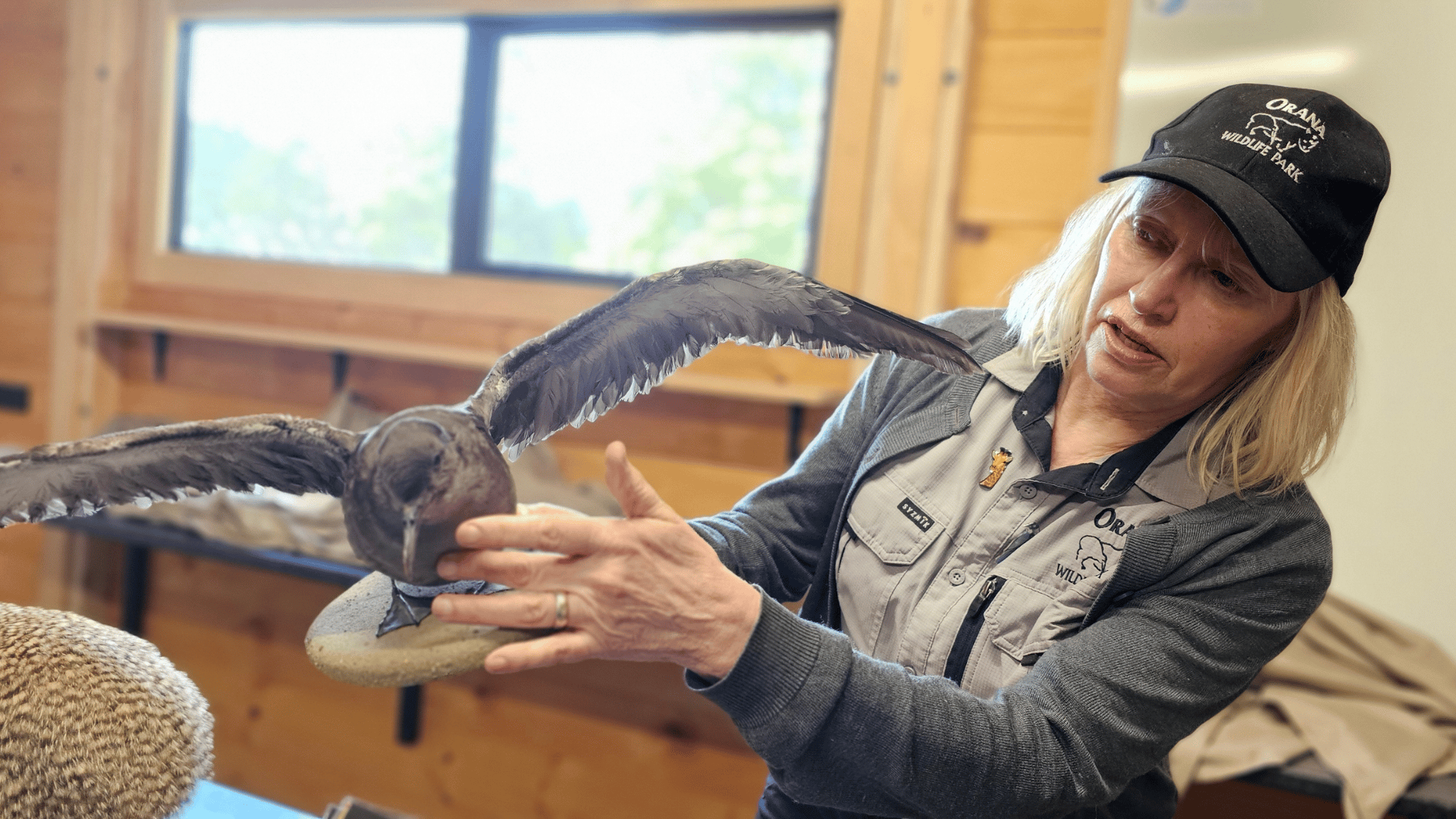
Our formal education programmes are designed for Years 1–13 and are delivered by our experienced education team. Each session is thoughtfully mapped to the New Zealand Curriculum and can be tailored to complement your current classroom units. We work collaboratively with teachers to ensure your visit is meaningful, relevant, and supports learning outcomes.
A school visit to Orana Wildlife Park is more than a day out; it’s an opportunity to inspire confident, caring kaitiaki of the future.
Discover some of our most popular programmes we teach by Year level. If you’re seeking simply a fun day out, such as an Amazing Race type event, please contact us as we can design this for you.
-
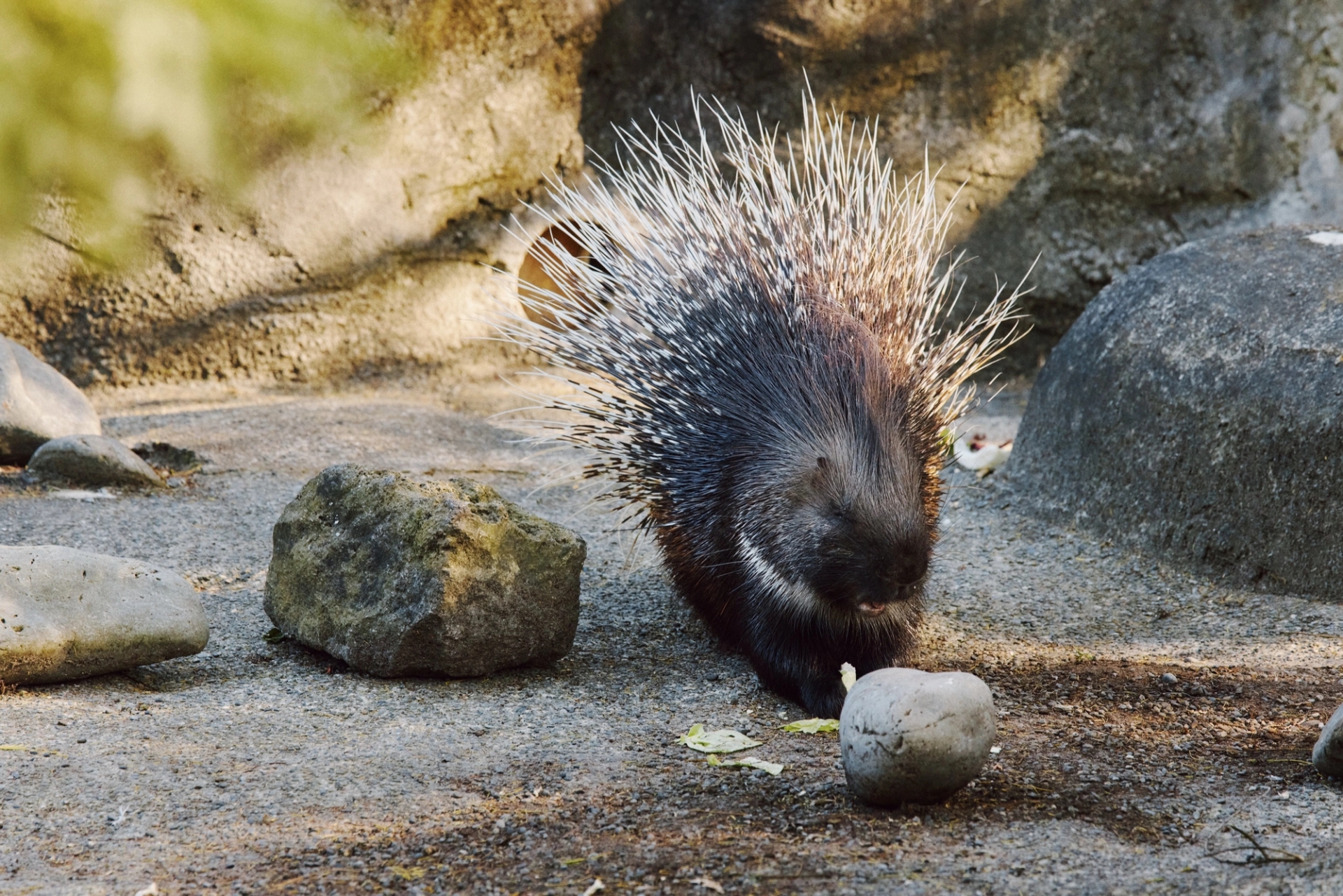
Students investigate animal adaptations and how species respond to environmental change.
-
How do we sort the natural world? Students explore how animals can be grouped by what they have in common, using species from the Park.
-
By spotting special body features and behaviours, students learn how animals are perfectly suited to where they live—and how people can help protect their homes.
-
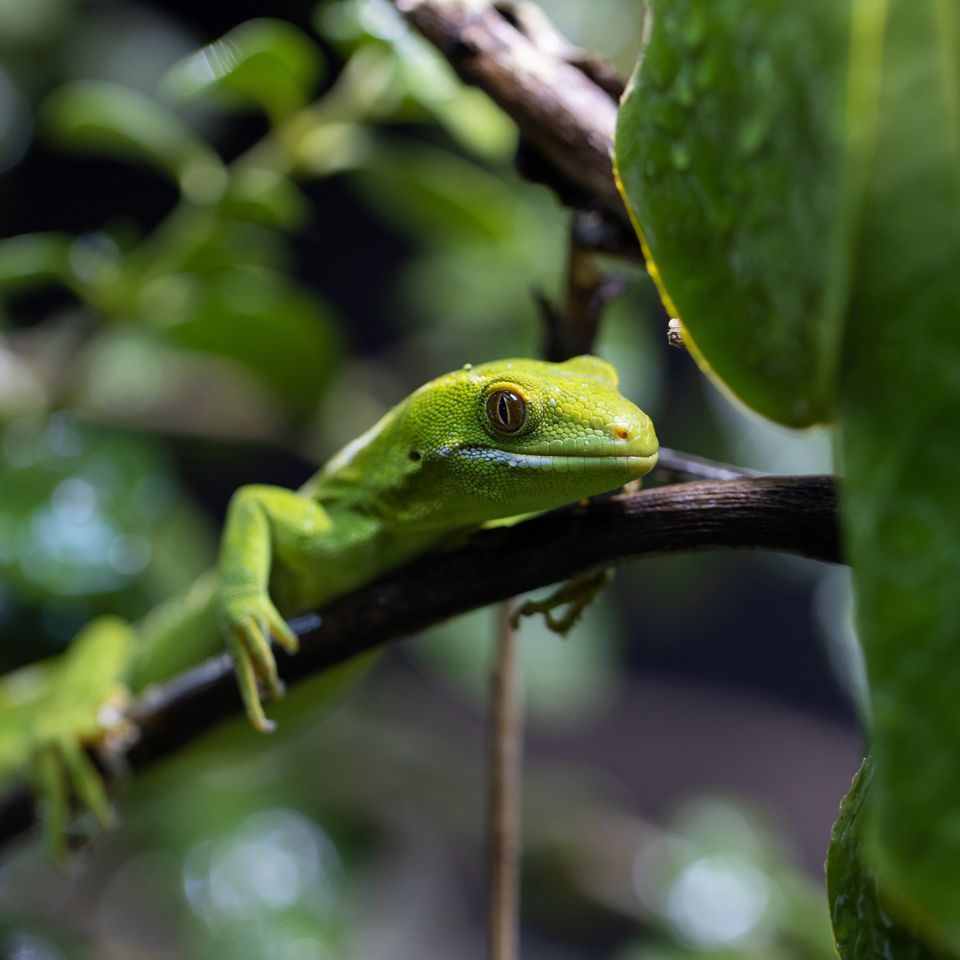
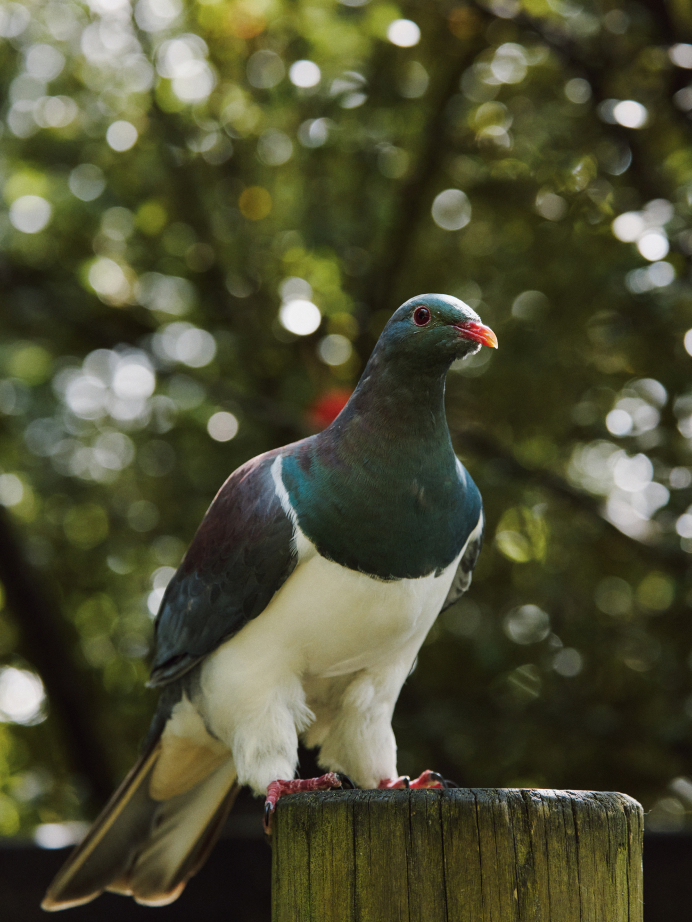
This programme explores New Zealand’s native species as taonga and examines their ecological and cultural importance.
-
From observation to organisation, this programme builds scientific thinking as students use evidence to classify living things.
-
Are zoos still relevant in today’s world? This programme encourages students to explore and debate the role of modern zoos.
-
From genes to populations, students explore how genetic variation drives change.
-
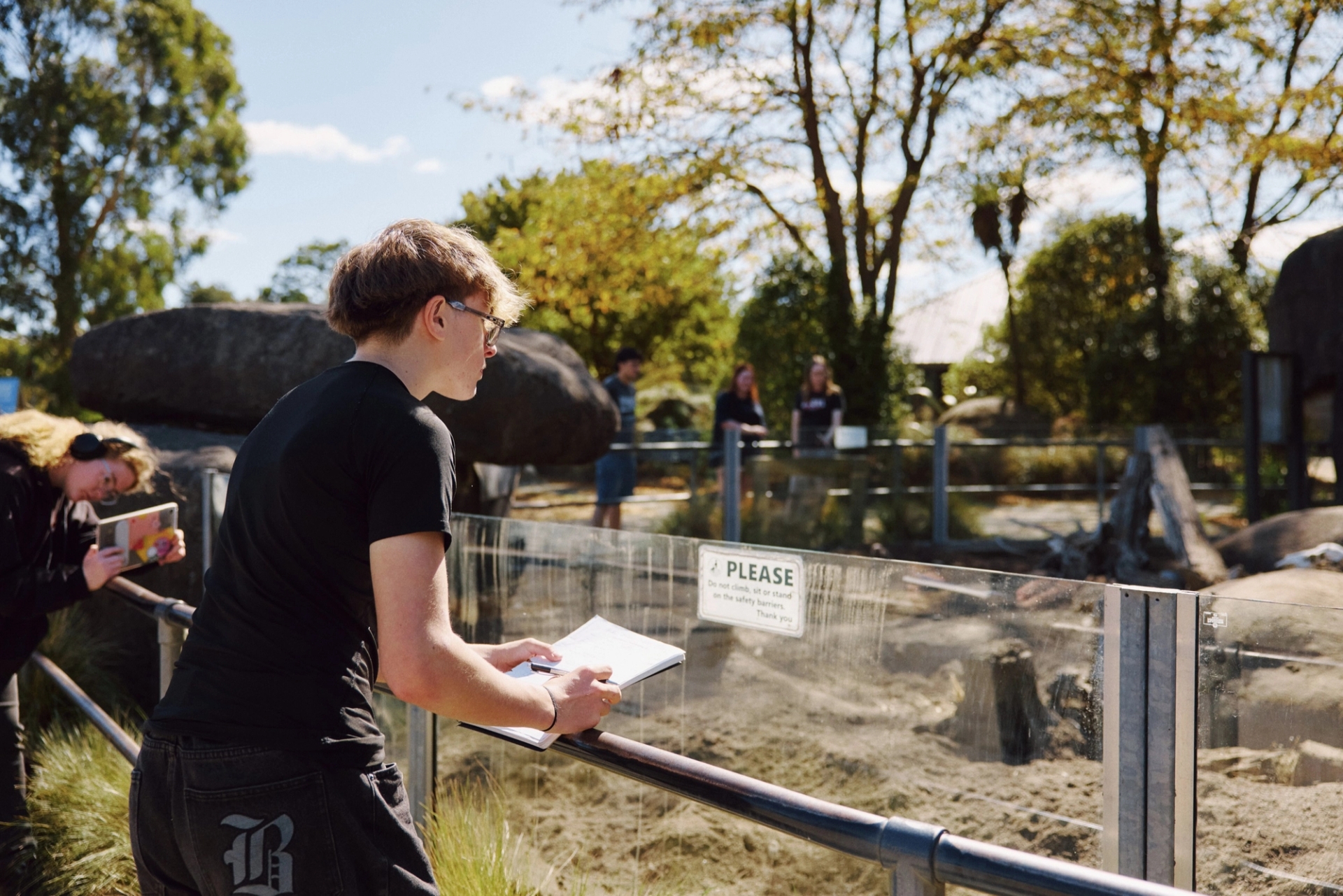
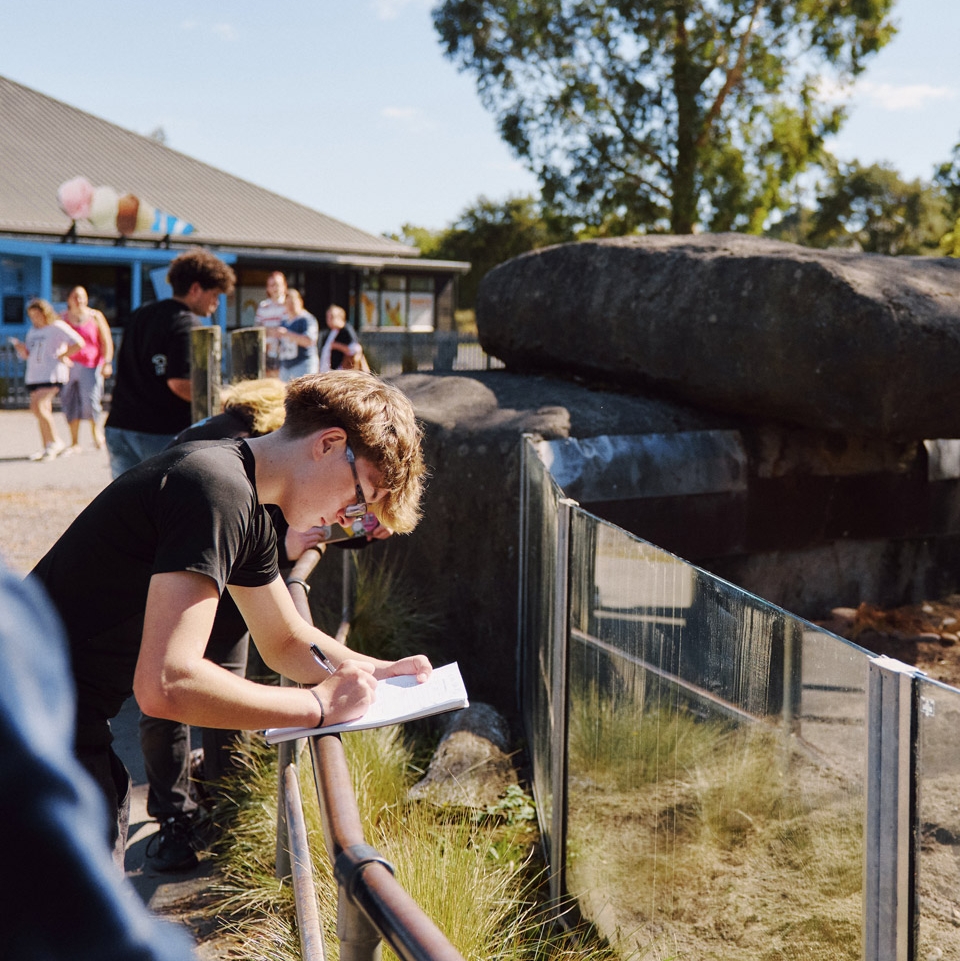
This practical programme supports students to design and carry out a real behavioural investigation.
-
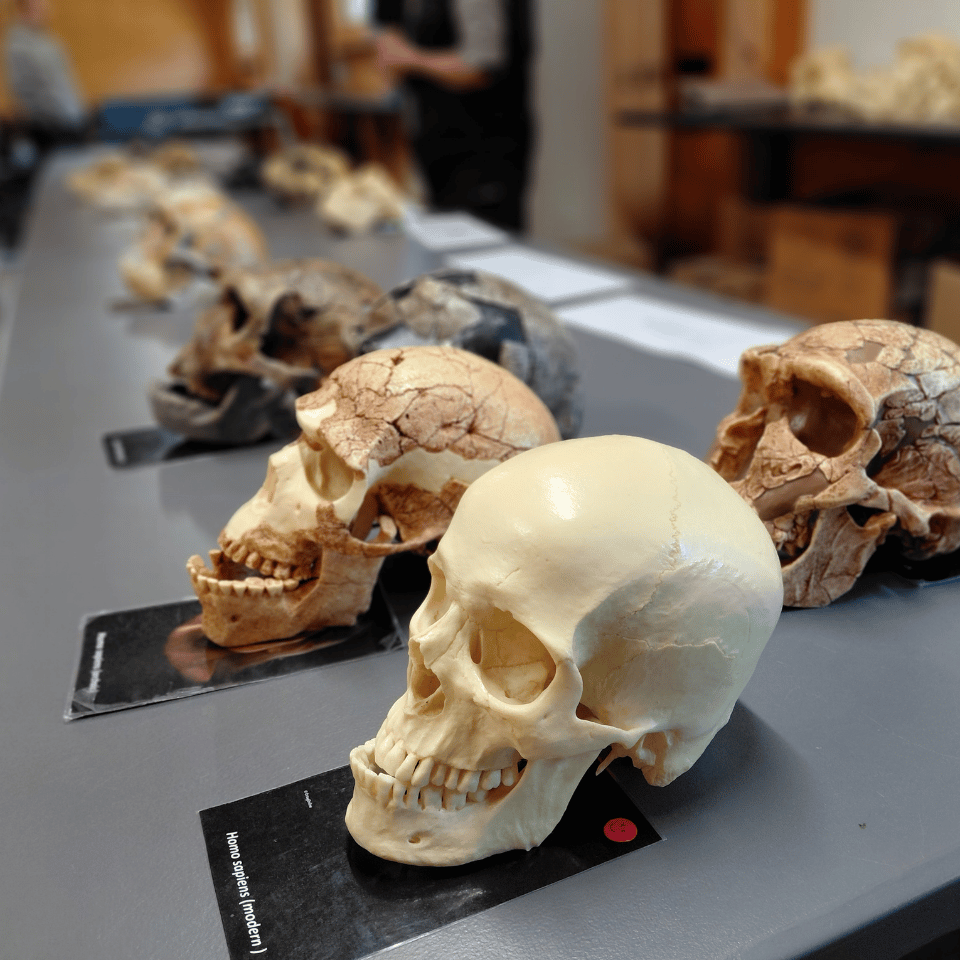
Students get hands on with primate and hominin skulls to uncover key anatomical changes across human evolution.
-
Through close observation of our species, students explore intraspecific behaviours and interspecific interactions.
-
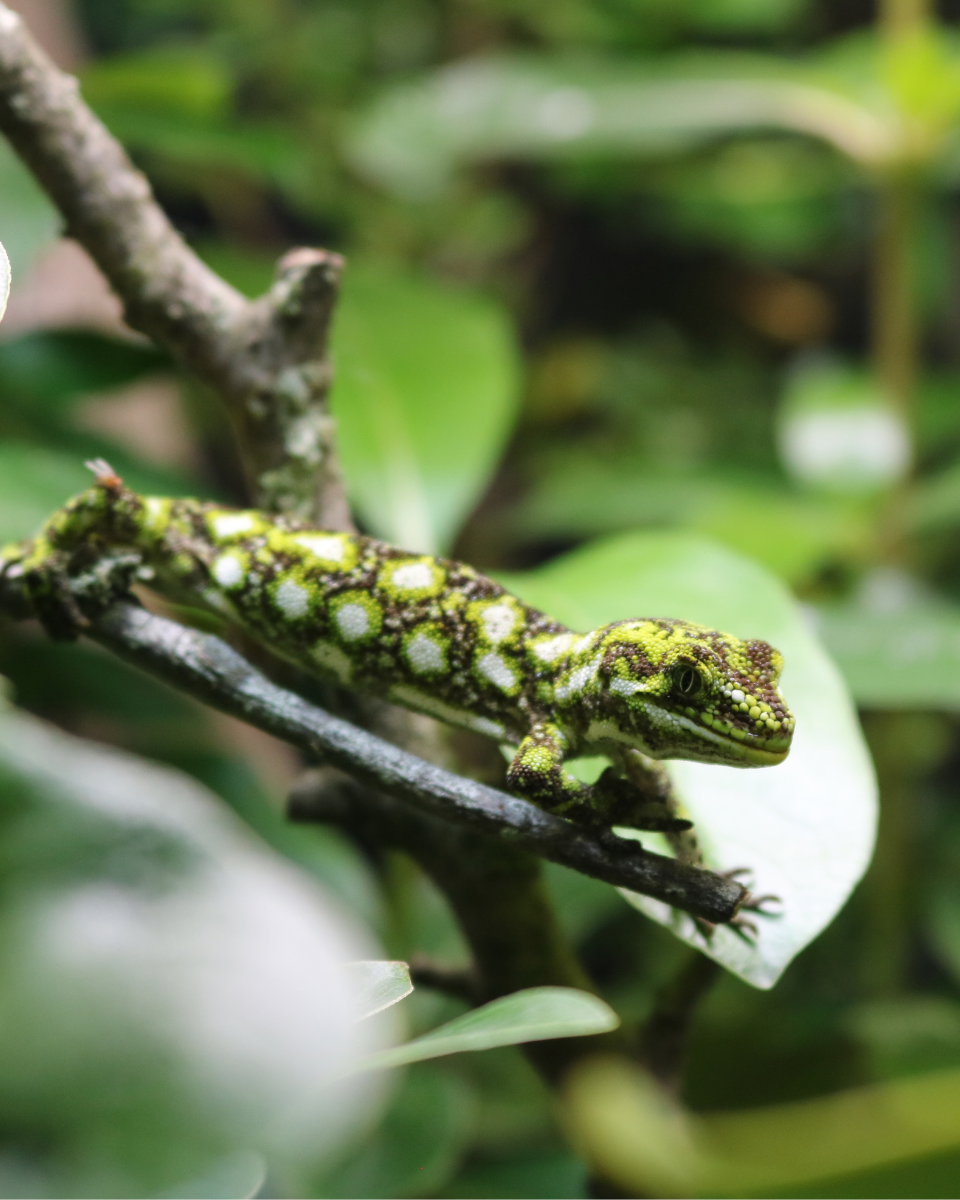
Using live animals as case studies, students explore how new species arise. From bottlenecks and sexual selection to adaptive radiation and geographic isolation, this programme brings speciation to life through real, observable examples.