On Our Grounds
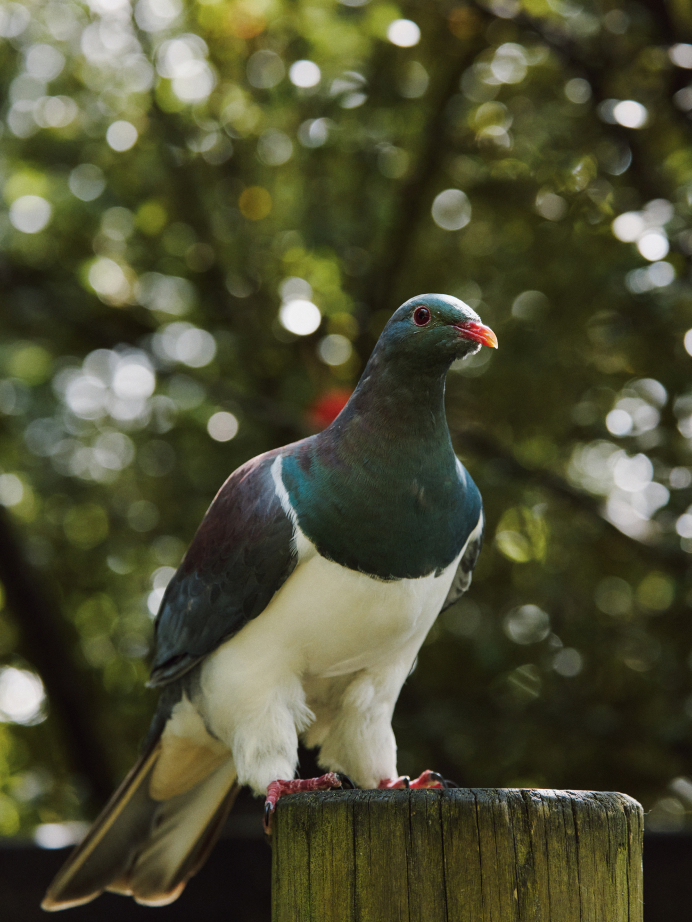
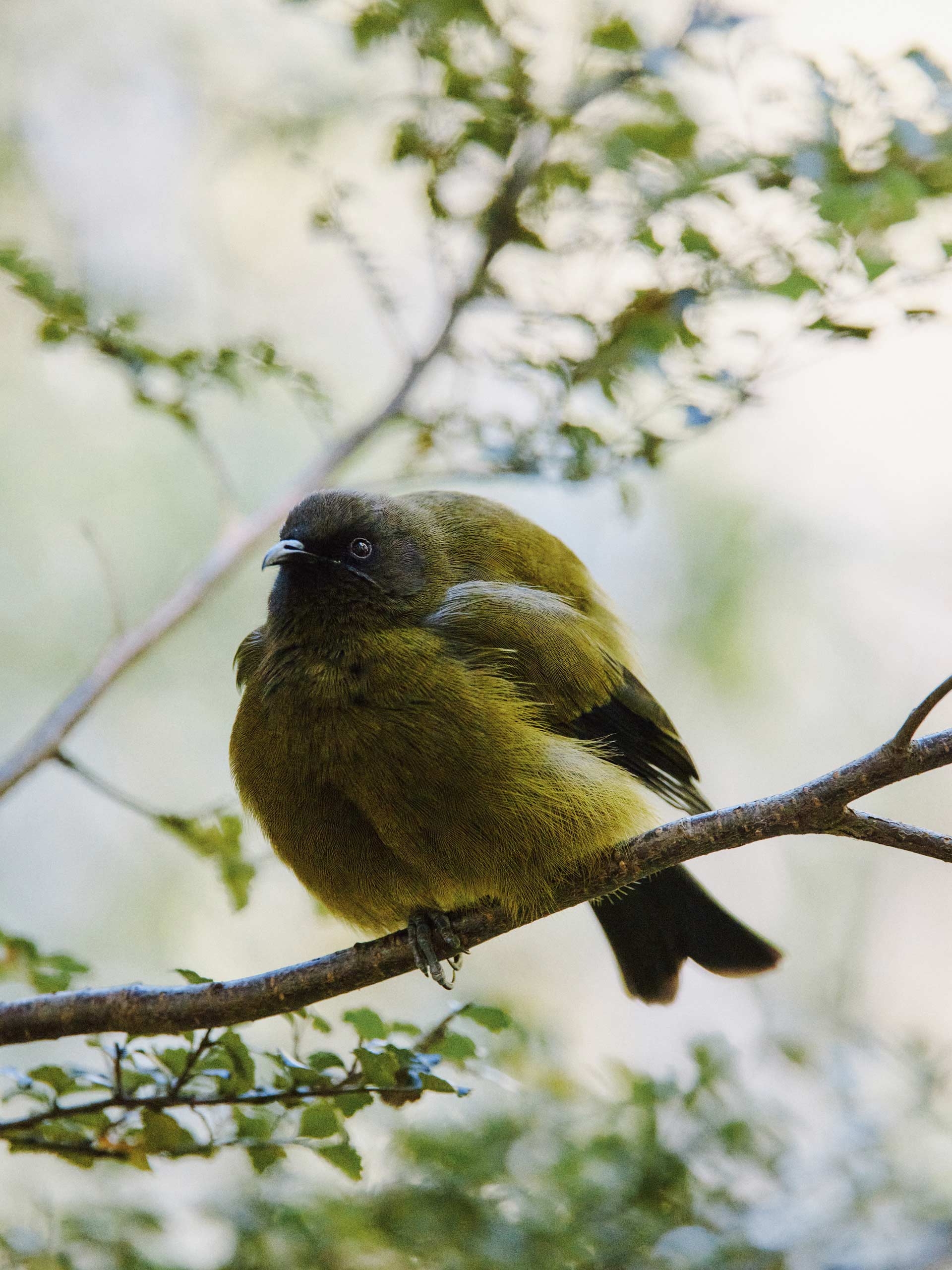
Orana is a great example of how conservation starts on your doorstep. Across our 180-hectare park, we're creating safe spaces for more than 50 native species, including korimako/bellbirds. From restoring natural areas and planting native species to enhancing habitats throughout the park, our work supports biodiversity and creates places where wildlife can thrive.
You can make a difference at home too. Visit Conservation at Home to discover simple ways to support local wildlife in your own backyard.
Endangered Locals
Some very special Canterbury species can be found on our grounds:
Canterbury Spotted Skink
A lizard thought extinct since 1980, was rediscovered in the Park grounds. The health of the skink population is maintained by staff and monitored by the Department of Conservation. In partnership with Environment Canterbury the skink habitat is protected by a mouse-proof fence.
Kōwaro/Canterbury mudfish
In partnership with DOC, 100 endangered kōwaro/Canterbury mudfish were transferred into a waterway at Orana. These native fish are NZ’s rarest mudfish and face a high risk of extinction. Orana provides a safe haven for these precious creatures and educates visitors on ways they can help the species. Further transfers of kōwaro may take place in the future to build the population. Our lofty aim is that our population flourishes and mudfish from Orana could be translocated to other locations with the aim of securing the species.
Canterbury boulder copper butterfly
Did you know there’s a butterfly species native to Canterbury? The boulder copper butterfly used to live across Canterbury, mainly by braided rivers living in its main food source Muehlenbeckia axillaris. With the huge loss of habitat, their numbers have rapidly declined and are now only found sparingly in a few locations in Canterbury and are no longer found in Christchurch City.
The best time to take a pause here is during the warm summer months from November to March, when adults are actively flying and sunbathing.
Little Hands with Big Plans
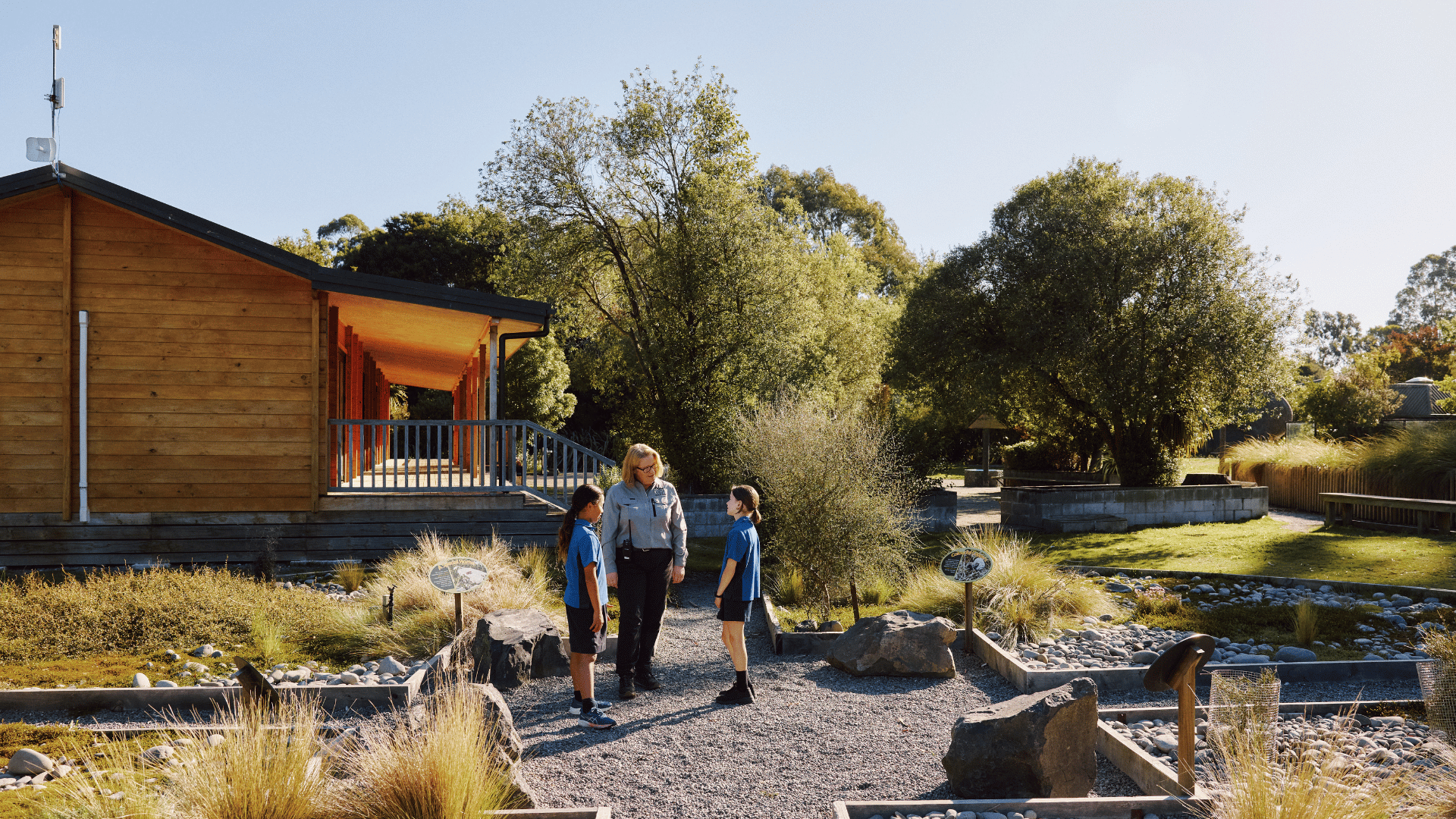
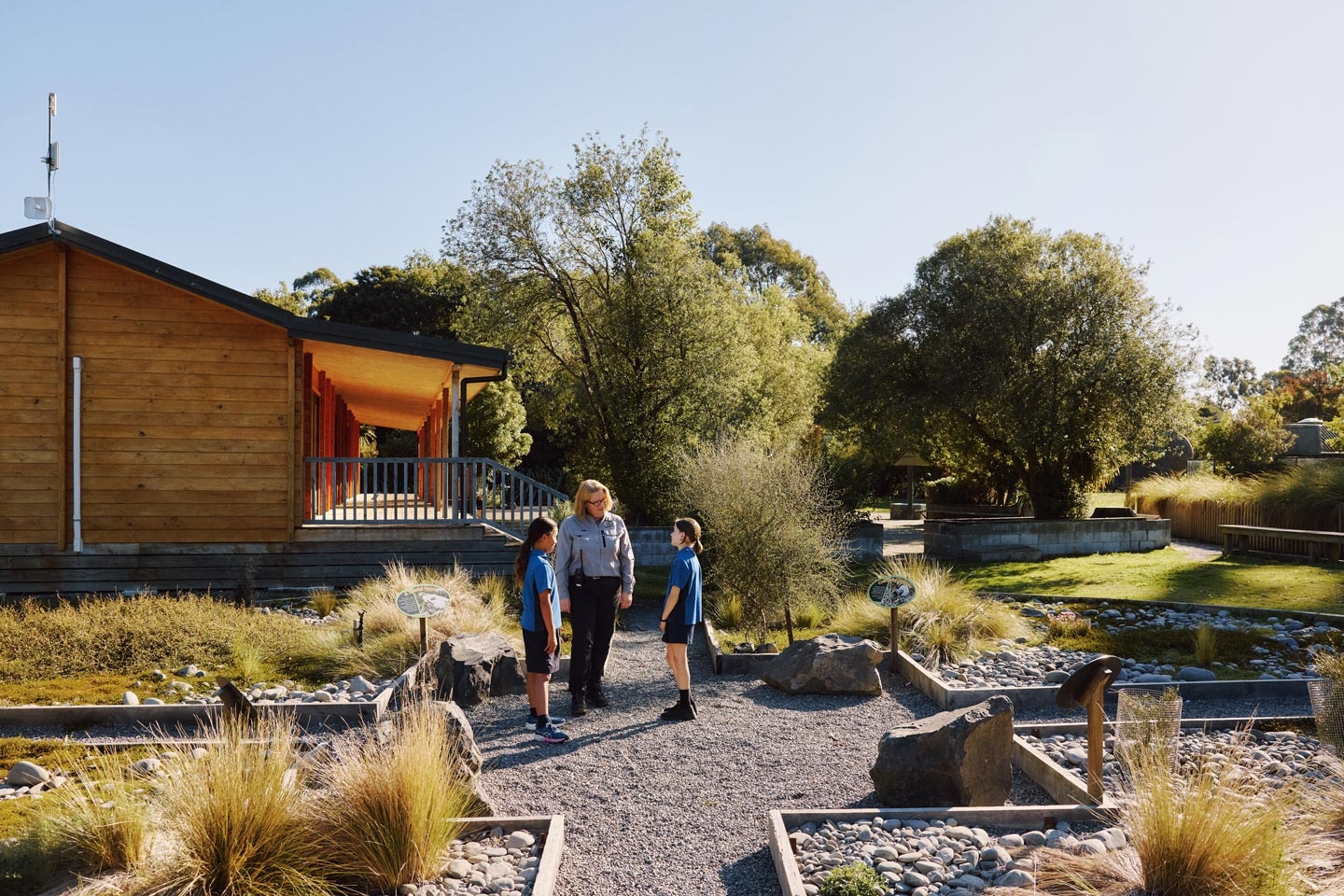
Orana partnered with Tuia Burnside Primary School to create a garden for these beautiful butterflies. The students, who had designed a habitat at school, were instrumental in the design, layout and planting of the garden at Orana and they also created the interpretive material too.
Jobs for Nature Project
Funding from the Department of Conservation via the Jobs for Nature (JFN) programme provided an opportunity to significantly boost conservation efforts on our grounds and built on the work of the Park since 1976. The JFN project involved employing three staff members for three years (two have been retained full-time as part of our team) to plant 30,000 eco-sourced stems across grassland and riparian areas and site-wide predator and pest plant control. This funding took conservation efforts on the Park grounds to a new level and supercharged our efforts to ensure the Park’s site is further enhanced as a habitat for some of Canterbury’s most threatened species (e.g. Canterbury boulder copper butterfly).
This project is a legacy development for the Park and its people as it will be fully realised in years to come and will benefit some of Waitaha’s threatened species. Our aim is to ensure that the Park is a biodiverse space for Canterbury.
